


Everything You Need to Know About Wedding Gown Adjustments

Your wedding day is one of the most memorable moments in life, and your wedding gown plays a huge role in making you feel special. However, even the most beautiful dress off the rack may not fit perfectly right away. This is where wedding gown adjustments come in. Alterations ensure your dress fits like a glove, enhancing your comfort and confidence as you walk down the aisle.
Understanding the process of wedding gown adjustments can save you time, stress, and money. This guide will walk you through everything you need to know about tailoring your dress to perfection.
Why Wedding Gown Adjustments Are Essential
Every bride’s body is unique, and even dresses made to standard sizes rarely fit perfectly without some tweaking. Wedding gown adjustments are essential for several reasons:
Perfect Fit: A well-fitted dress flatters your figure and allows you to move freely.
Comfort: Tight or loose areas can cause discomfort during your big day.
Style Enhancement: Adjustments can modify the dress style to better suit your personal taste.
Preservation: Proper alterations help maintain the dress’s structure and fabric integrity.
For example, if your dress is slightly too long, hemming it will prevent tripping. If the bodice is loose, taking it in will provide support and shape. These small changes make a big difference in how you look and feel.

Common Types of Wedding Gown Adjustments
Wedding gown adjustments cover a wide range of modifications. Here are some of the most common types:
Hemming
Length is one of the most frequent issues. Hemming shortens the dress to the perfect length, whether you want it floor-length or just above the shoes.
Taking In or Letting Out
Adjusting the bodice or waistline to fit snugly or more loosely is crucial. This can involve taking in seams or letting them out if there is extra fabric.
Bustle Addition
A bustle lifts the train of the dress off the floor for easier movement during the reception. There are several bustle styles, such as the French bustle or American bustle, depending on the dress design.
Strap Adjustments
Straps can be shortened, lengthened, or even removed to improve comfort and style.
Adding Cups or Support
Some dresses require additional support in the bust area. Adding cups or a built-in bra can provide shape and comfort.
Sleeve Alterations
Sleeves can be shortened, lengthened, or reshaped to match your preference.
Neckline Changes
Altering the neckline can dramatically change the dress’s look, such as converting a sweetheart neckline to a straight or V-neck.
Each of these adjustments requires skill and experience to ensure the dress maintains its original beauty and structure.
How to Prepare for Your Wedding Gown Adjustments
Preparation is key to a smooth alteration process. Here are some practical tips:
Schedule Early: Book your first fitting at least 2-3 months before the wedding. This allows time for multiple fittings if needed.
Wear the Right Undergarments: Bring the shoes and undergarments you plan to wear on your wedding day to fittings. This ensures accurate measurements.
Communicate Clearly: Discuss your comfort preferences and style goals with your tailor.
Limit Weight Changes: Try to maintain your weight during the alteration period to avoid additional adjustments.
Bring Inspiration: If you want style changes, bring photos or sketches to help your tailor understand your vision.
By following these steps, you can avoid last-minute surprises and ensure your dress fits flawlessly.

Choosing the Right Professional for Your Wedding Gown Adjustments
Selecting a skilled professional is crucial for successful wedding gown adjustments. Here’s what to look for:
Experience: Choose a tailor or seamstress with extensive experience in bridal alterations.
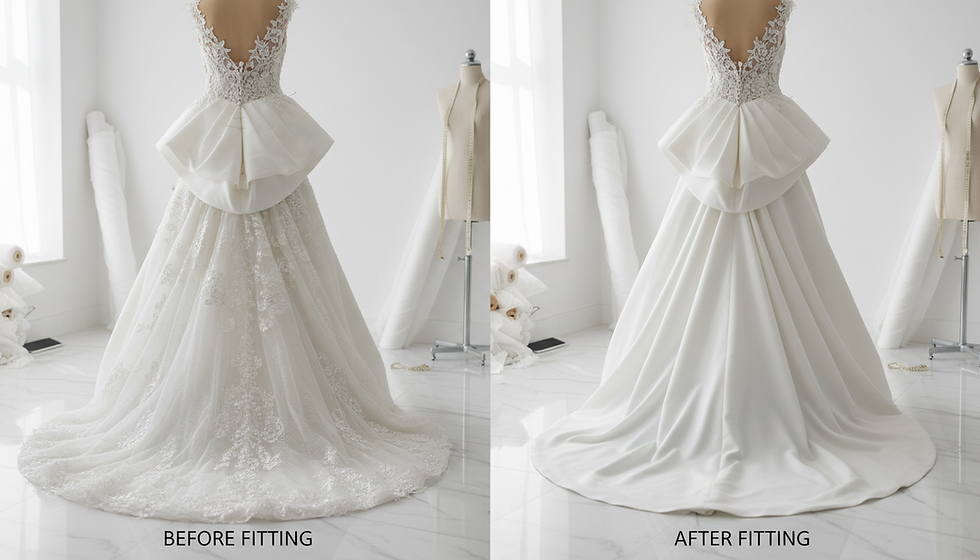
Portfolio: Review before-and-after photos of previous work.
Reviews: Check customer testimonials and ratings.
Communication: Ensure they listen to your needs and explain the process clearly.
Pricing: Get a detailed quote upfront to avoid surprises.
A good professional will also advise you on what alterations are possible and which might compromise the dress’s design or fabric.
Tips for a Stress-Free Alteration Experience
Wedding gown adjustments can be stressful, but these tips can help:
Stay Organized: Keep all receipts, appointment dates, and notes in one place.
Attend All Fittings: Never skip a fitting, as each one is important for perfecting the fit.
Be Patient: Some alterations take time, especially complex ones.
Trust the Expert: While your input is important, trust your tailor’s expertise on what will work best.
Have a Backup Plan: In case of last-minute issues, have a backup dress or accessories ready.
By staying calm and proactive, you’ll enjoy the process and end up with a dress that feels custom-made just for you.
Final Thoughts on Wedding Gown Adjustments
Your wedding gown is a symbol of your special day, and ensuring it fits perfectly is worth every effort. From hemming to adding a bustle, each adjustment enhances your comfort and style. Remember to start early, choose the right professional, and communicate clearly throughout the process.
If you want to learn more about wedding dress alterations, there are many resources and experts available to guide you.
With the right approach, your wedding gown adjustments will help you shine with confidence and grace on your big day.


Comments