


Understanding Bridal Tailoring Costs

When preparing for a wedding, one of the most important details is ensuring the bridal gown fits perfectly. This is where bridal tailoring comes in. However, many brides are often surprised by the price tag attached to these alterations. Understanding the factors that influence bridal tailoring costs can help you budget better and avoid last-minute surprises.
What Influences Bridal Tailoring Costs?
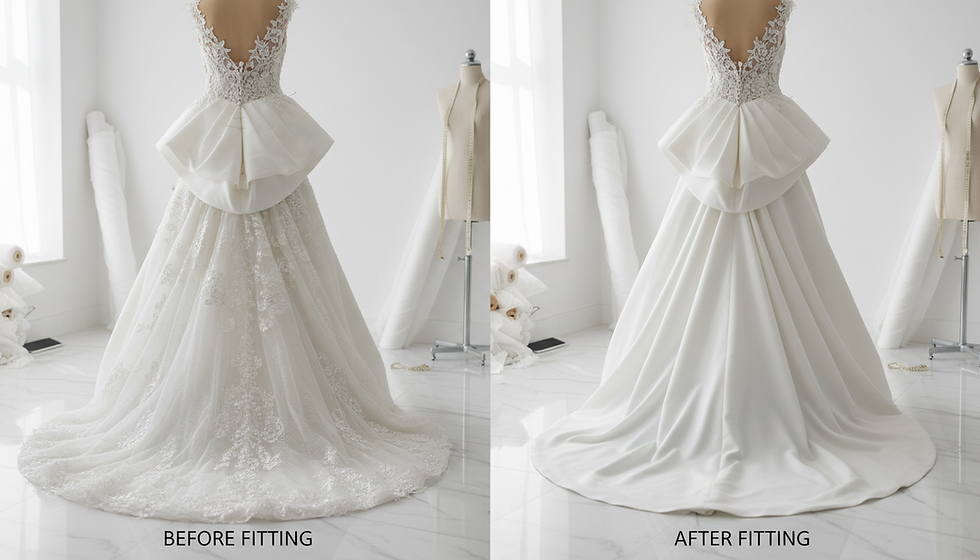
Bridal tailoring costs vary widely depending on several factors. The complexity of the dress, the type of fabric, and the extent of alterations needed all play a role. For example, a simple hem adjustment on a satin dress will cost less than restructuring a lace gown with intricate beadwork.
Here are some common factors that affect the price:
Dress Fabric: Delicate fabrics like silk or lace require more careful handling, increasing the cost.
Type of Alterations: Taking in the sides, shortening the hem, adjusting straps, or adding bustle hooks all have different price points.
Complexity of Design: Dresses with beading, embroidery, or multiple layers take more time and skill to alter.
Location and Expertise: Tailors in urban areas or those with specialized bridal experience may charge more.
Understanding these factors can help you prioritize which alterations are essential and which can be skipped or simplified.

Bridal Tailoring Costs: What to Expect
When budgeting for your wedding dress, it’s important to allocate a reasonable amount for tailoring. On average, bridal tailoring costs can range from $200 to $800 or more, depending on the extent of work required.
Here’s a breakdown of typical alteration prices:
Hemming the Dress: $100 - $300
Shortening the length to fit your height perfectly.
Taking in or Letting Out the Sides: $150 - $400
Adjusting the bodice for a snug fit.
Adjusting Straps or Sleeves: $50 - $200
Ensuring comfort and proper support.
Bustle Installation: $100 - $250
Adding hooks or buttons to lift the train for easier movement.
Restructuring or Major Repairs: $300 - $800+
Includes fixing damaged areas or redesigning parts of the dress.
It’s wise to get a detailed quote from your tailor before committing. Also, keep in mind that last-minute alterations often cost more due to the rush.
Why are bridal alterations so expensive?
Bridal alterations tend to be pricier than regular clothing adjustments for several reasons. First, wedding dresses are often made from delicate and expensive fabrics that require special care. Handling lace, tulle, or silk without damaging them demands skill and precision.
Second, many bridal gowns have intricate details such as beading, embroidery, or layers of fabric. Altering these elements without compromising the dress’s design is time-consuming and requires expertise.
Third, bridal tailoring is a specialized service. Not all tailors have experience working with wedding dresses, so those who do can charge a premium for their knowledge and craftsmanship.
Finally, the timeline for bridal alterations is usually tight. Tailors must work quickly to meet wedding dates, which can increase labor costs.
Understanding these reasons can help you appreciate the value of professional bridal tailoring and why it’s worth investing in quality alterations.

Tips to Manage Your Bridal Alterations Cost
While bridal tailoring costs can add up, there are ways to manage your budget effectively:
Start Early: Begin alterations at least 2-3 months before the wedding to avoid rush fees.
Choose a Simple Dress: Dresses with fewer embellishments are easier and cheaper to alter.
Prioritize Essential Alterations: Focus on fit and comfort first; decorative changes can be optional.
Get Multiple Quotes: Compare prices from different tailors to find the best value.
Communicate Clearly: Discuss your budget upfront and ask for a detailed estimate.
Consider DIY for Minor Changes: If you have sewing skills, small fixes like hemming can be done at home.
By planning ahead and making informed choices, you can keep your bridal tailoring costs within a reasonable range.
Planning for Your Wedding Dress Alterations
To ensure a smooth alteration process, follow these practical steps:
Choose Your Dress Early: This gives you ample time for multiple fittings.
Schedule Multiple Fittings: Typically, 2-3 fittings are needed to perfect the fit.
Bring Your Wedding Shoes: This helps the tailor adjust the hem to the correct length.
Wear Proper Undergarments: Bring the bra or shapewear you plan to wear on your wedding day.
Keep Communication Open: Share any concerns or preferences with your tailor.
Remember, alterations are an investment in your comfort and confidence on your big day. Proper planning can make the process less stressful and more enjoyable.
For more detailed information on bridal alterations cost, be sure to consult with professional tailors who specialize in bridal wear.
Final Thoughts on Bridal Tailoring Costs
Understanding bridal tailoring costs is essential for any bride-to-be. These costs reflect the skill, time, and care required to make your wedding dress fit perfectly. By knowing what influences the price and how to manage your budget, you can ensure your gown looks stunning without unexpected expenses.
Investing in quality alterations means you’ll feel comfortable and beautiful as you walk down the aisle. With careful planning and the right tailor, your dream dress will be tailored to perfection.


Comments